
.png)
A Pile of Facts Is Not a Finding
Collection feels like progress. It fills the file and looks like work. A finding is what you build when you weigh those facts against each other and commit to a judgment. This brief shows you where one ends and the other begins.
.png)
The Assumption You Never Named
Every analysis rests on assumptions. The dangerous ones are the ones you never said out loud, because they shape the conclusion without ever being tested. This brief shows you how to surface them.
.png)
A Judgment With No Confidence Attached
"This is what happened" and "this is likely what happened" are different claims. Stating a finding without its confidence level hides how much you actually know. This brief shows you how to say what you know and how well you know it.
About the course
Most professionals are trained to gather. Pull the records, run the searches, assemble the file. Fewer are trained in what comes next: turning that pile of information into a judgment someone can act on. That step is analysis, and it is its own discipline. The trouble is that collection feels like the finish line. A full file looks like an answer. It is not. An answer is what you reach when you weigh the information, name your assumptions, test the alternatives, and commit to an assessment you can defend when someone pushes back. This brief is your entry into that discipline, built for professionals who were never trained as intelligence analysts and now have to think like one. In about an hour, you will see what separates analysis from collection, where untrained reasoning goes off course, and how to reach a judgment that holds its ground.
See the line between information and analysis, and why a full file is the start of the work rather than the end of it.
Learn to name the assumptions underneath a conclusion, and to test the alternatives before you commit to one.
Leave able to state a judgment with its confidence level attached, so your reader knows both what you found and how well you know it.
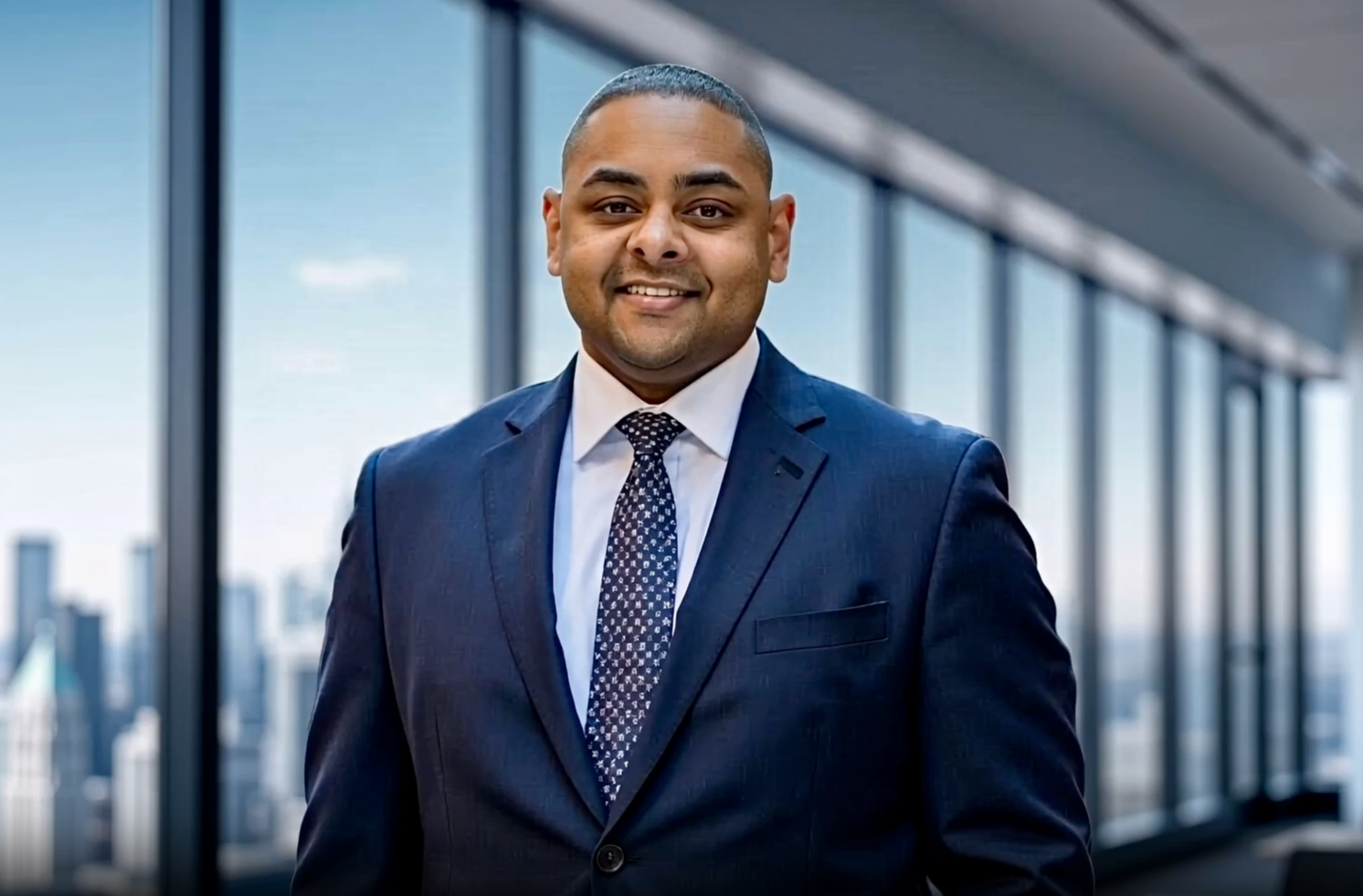
Sean Mahon
A senior intelligence professional with over 20 years of experience across military intelligence, KYC/AML compliance, open-source intelligence instruction, and forensic due diligence. He has led analytical teams in regulated, high-stakes environments where incomplete or misattributed information carries direct operational and legal consequence. He is the founder of The Collective Risk Intelligence, a specialized firm delivering structured, evidence-based due diligence and investigative analysis for law firms, private equity, investment firms, and high-net-worth individuals. His work sits at the intersection of investigative intelligence, identity verification, and litigation support . All environments where the standard of proof is not negotiable. This course draws directly from the analytical methodology applied in real engagements, not theory, not frameworks built in a classroom.
Curriculum
-
1
Let's begin
-
(Included in full purchase)
Analytical Work Foundations
-
(Included in full purchase)
Executive Analytical Quality Checklist
-
(Included in full purchase)
Turn Information Into Judgment.
Analytical Work Foundations is free and takes about an hour. Enroll now, and bring analytic discipline to the next file that lands on your desk.